
How digital transformation and AI are reshaping private security operations

In the private security sector, rising operational demands, staff shortages, increasing retail crime and higher expectations for safety are forcing organisations to rethink how security is delivered. At the centre of this change is new technology, which is enabling more efficient, flexible and proactive security operations.
As threats and insecurity continue to increase, and as cities develop larger infrastructure and host major public events such as the Olympic Games or concerts, a strong security perimeter is required. Public authorities cannot provide all the security required and therefore increasingly rely on the support of private security providers. Private security represents the first line of defence, with a primary role focused on detection and alerting. However, the sector faces significant challenges, including technological silos, a lack of oversight, and a difficult economic environment.
In this article, we explore how Agnet’s flexible deployment model enables the agility and adaptability required to manage security effectively in dynamic environments such as retail, and how this approach reflects the future direction of the private security sector.
Key terms
Private security includes services such as guarding, surveillance and monitoring provided by non-governmental organisations. The sector plays a critical role in protecting people, property and assets across environments such as retail, corporate offices and public spaces.
Digital transformation refers to the adoption of digital technologies to fundamentally improve how organisations operate and deliver value. In private security, this means moving away from legacy tools towards integrated digital platforms that enable real-time communication, remote monitoring and data-driven decision-making.
Security automation uses technology to enhance security processes. This includes automated workflows, centralised command centres and AI-powered capabilities such as video detection, real-time alerts, incident analysis, technology integration, and improved human collaboration. Automation reduces manual effort while improving speed, accuracy and consistency.

Agnet B2B Private Security
A changing security landscape
Traditionally, private security operations have relied heavily on on-site personnel and legacy communication tools. While effective in many situations, this approach can limit visibility, scalability and responsiveness, particularly in fast-changing environments.
Today, security organisations are increasingly embracing digital tools that allow them to manage operations remotely, coordinate teams more efficiently and respond to incidents in real time. This shift is not just about technology adoption; it is about rethinking how security services are addressed.
The implementation of customised digital tools, such as Agnet, significantly enhances operational efficiency. These kinds of platforms enable security operations centres to monitor multiple locations simultaneously, share critical information instantly and deploy resources where they are most needed. This creates a more agile and resilient security model.
Improving operational efficiency through AI and remote monitoring
One of the most impactful changes in modern security operations is the use of AI-powered video detection and remote monitoring. Instead of relying only on physical presence, remote guards can now oversee multiple sites from a single security operations centre.
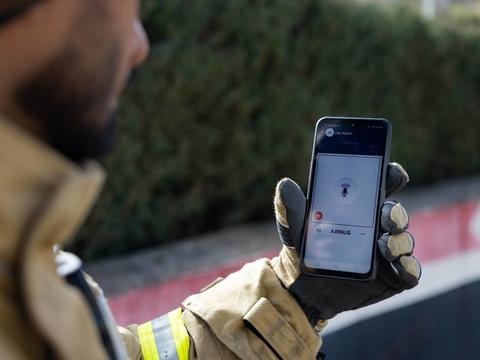
In a retail environment, for example, this capability is particularly valuable. With the help of Agnet, remote teams can support on-site guards by monitoring live video feeds, identifying suspicious behaviour and coordinating responses in real time. AI detection adds an additional layer of intelligence by automatically flagging potential incidents, allowing teams to act faster and more accurately. Beyond operational benefits, this capability also has wider implications for overall organisational structure. For example, a company can centrally manage and remain in contact with all field resources across the country from its headquarters, using a single, unified interface.
This approach does not replace security officers on the ground. It supports them by providing better situational awareness and timely information. In other words, digital tools help guards work more safely and effectively. At the same time, organisations benefit from improved coverage and optimised use of resources. Operational efficiency in the field is also enhanced, as solutions such as Agnet reduce the number of devices officers need to carry by consolidating communication and operational tools into a single platform.
Modern security organisations must be able to scale operations quickly, whether responding to seasonal demand, special events or emerging threats. Agnet addresses this need through flexible deployment options, offering both SaaS and on-premises models. This allows organisations to choose the approach that best fits their operational, regulatory and security requirements. The SaaS model also adds value by enabling rapid field deployment and providing a flexible way to manage individual user profiles.
Download our Agnet for private security One pager

Agnet B2B Private Security
Protecting staff, customers, and revenue
Beyond operational efficiency, digital transformation has a direct impact on safety. Leveraging real-time data and AI-driven insights enables security teams to proactively prevent incidents rather than simply reacting to them. Thanks to its wide range of features, Agnet strengthens collaboration between field personnel and the command centre, enabling effective supervision and supporting rapid, coordinated responses during crisis situations.
For example, AI video detection can support missions such as shoplifting prevention by identifying patterns or behaviours associated with theft. Combined with instant communication between remote and on-site teams, this allows for faster intervention and reduced risk for both staff and customers.
End customers, such as retailers, also see direct benefits. Preventing theft and minimising disruptions can result in significant cost savings, while a safer shopping environment improves customer experience and brand trust.
Looking ahead
The private security industry is clearly moving towards a more digital, automated and intelligent future. AI, remote monitoring and flexible platforms are no longer optional add-ons. They are becoming essential components of effective security operations.
Adopting digital security tools also influences how organisations are perceived externally. By embracing digital transformation and security automation, organisations can improve efficiency, enhance safety and deliver greater value to their customers. Solutions like Agnet demonstrate how technology can support both operational excellence and long-term competitiveness in an evolving security landscape.
Also watch an expert interview about how digital tools are transforming private security operations.
Episode 4 - Private security
David Fontan, Sales Developement Manager at Airbus Defence and Space, discusses how Agnet, the innovative, mission-critical platform, is modernising private security. Learn how the transition to digital tools enhances operational efficiency, enabling powerful remote monitoring and leveraging capabilities like AI video detection for improved safety. Agnet's flexible deployment provides the crucial agility and adaptability required for security management in dynamic environments like retail.
Watch more episodes from the Experts to Experts video series
Do you want to know more about how Agnet can bring to private security?
Never miss a single blog post
Receive new blog posts directly to your inbox.
Explore more resources
-

Strengthening the first line of private and public security
Whether a private security radio network or SaaS private security app, our solutions can arm you with the tools to…
-

Download Agnet for Business Critical Industries
Download the Agnet for Business Critical industries. You will learn interesting things about Agnet, the next-generation…
-
Download Agnet SaaS Flyer
Agnet is a secure cloud solution off ering next-generation enriched critical communications beyond 3GPP standards to share…


